
How Reflective Traffic Signs Improve Road Safety
October 01, 2025

How Reflective Traffic Signs Improve Road Safety
When it comes to keeping our roads safe, visibility is everything. Drivers rely on clear guidance to navigate, and traffic signs are a major part of that. But what happens when the sun sets, fog rolls in, or weather conditions make it harder to see? That’s where reflective traffic signs play a vital role.
Reflective signs are designed with special materials that bounce light from vehicle headlights back toward the driver’s eyes. This makes the signs appear brighter and more visible, even in low-light or nighttime conditions. The added visibility gives drivers more time to react, whether it’s slowing down for a sharp curve, stopping at an intersection, or watching out for a pedestrian crossing.
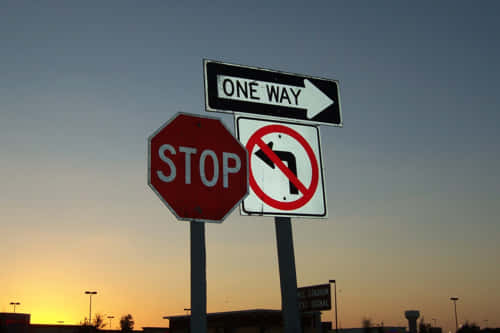
Different grades of reflective sheeting are used depending on the environment. High-intensity or diamond-grade reflective materials are often found on highways and high-speed roads, where early visibility is crucial. Standard engineer-grade reflective materials may be used on local streets or parking lots where speeds are lower. Either way, the purpose is the same: helping drivers see critical information when they need it most.
Beyond safety, reflective signs also reduce the need for extra lighting along roads, which can save municipalities money on energy and maintenance. They are a cost-effective way to improve traffic management while keeping roads safer for everyone.
In the end, reflective traffic signs do more than just follow regulations—they save lives. By ensuring important information is always visible, no matter the time of day or weather, they help create safer roads for drivers, cyclists, and pedestrians alike.
Related Products


0 Comment(s)
Categories
|
|
|
|
|
|
 |



Recent Posts
-
How Reflective Traffic Signs Improve Road Safety
October 1, 2025
-
School Zone Signs: Helping Keep Kids Safe Every Day
 August 6, 2025
 -
The Life Cycle of a Traffic Sign
 June 11, 2025
 -
The Importance of Traffic Sign Maintenance for Road Safety
 February 19, 2025
 -
Understanding the Different Reflectivity Options for Traffic Signs
 February 7, 2025