
News
-
October 01, 2025
How Reflective Traffic Signs Improve Road Safety
When it comes to keeping our roads safe, visibility is everything. Drivers rely on clear guidance to navigate, and traffic signs are a major part of that. But what happens when the sun sets, fog rolls in, or weather conditions make it harder to see? That’s where reflective traffic signs play a vital role.
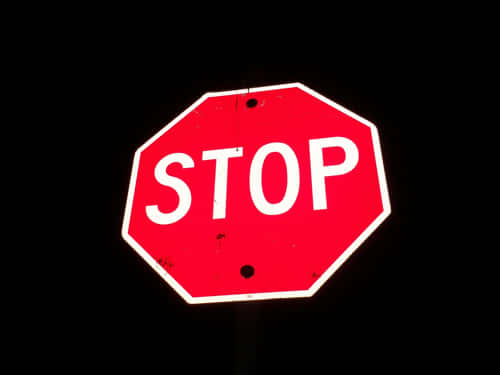
Reflective signs are designed with special materials that bounce light from vehicle headlights back toward the driver’s eyes. This makes the signs appear brighter and more visible, even in low-light or nighttime conditions. The added visibility gives drivers more time to react, whether it’s slowing down for a sharp curve, stopping at an intersection, or watching out for a pedestrian crossing.
-
August 06, 2025
Why School Zone Signs Matter More Than You Think
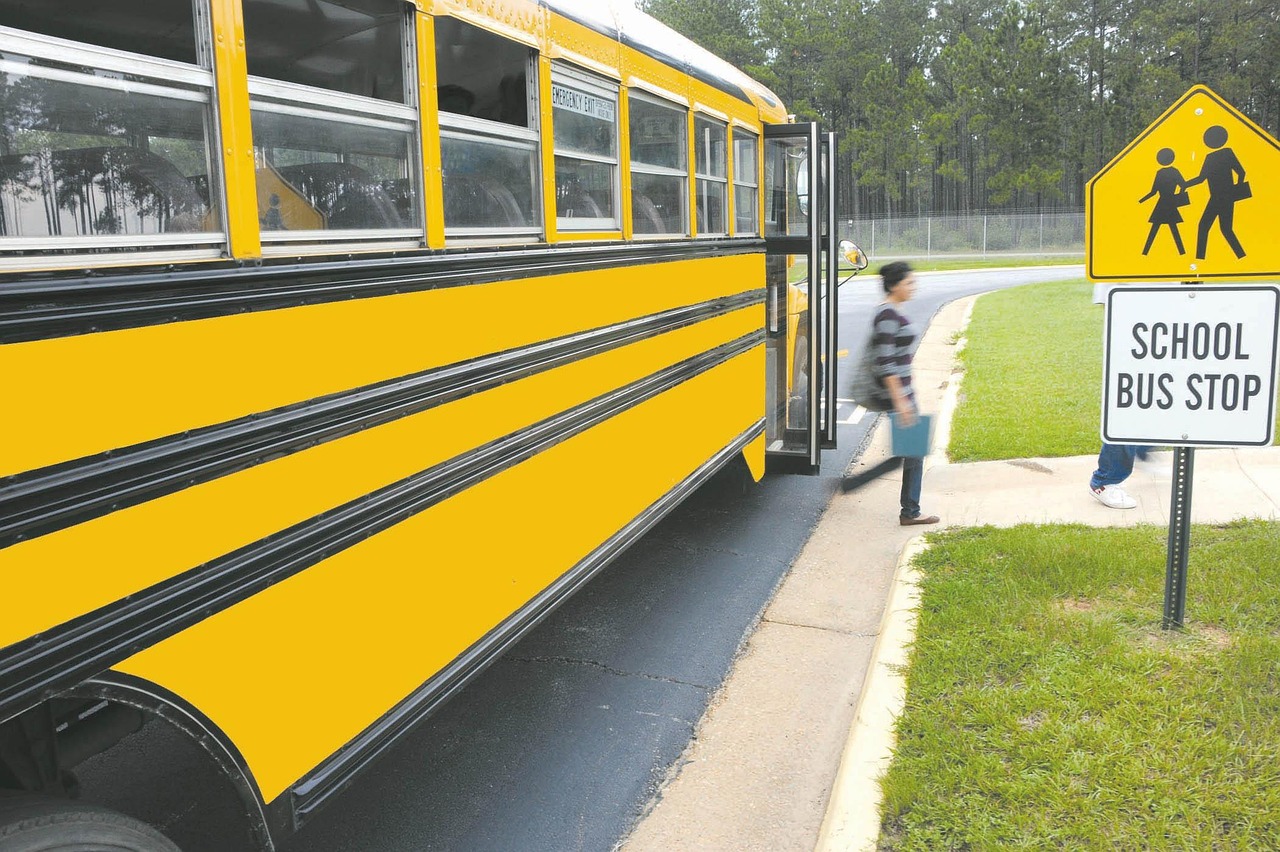
When you’re driving near a school, there’s one thing that should always be top of mind: safety. Between kids walking, biking, getting dropped off, or just being kids, things can get unpredictable fast. That’s where school zone signs come in. They’re not just nice to have—they’re a must.
-
June 11, 2025
The Life Cycle of a Traffic Sign
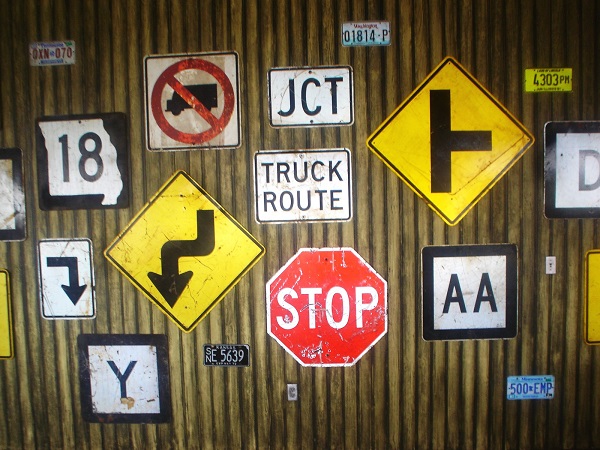
There’s a lot more to traffic signs than most people realize. Choosing the right materials and working with trusted manufacturers like Parking Signs.com helps ensure those signs do their job for years to come.
-
February 19, 2025
The Importance of Traffic Sign Maintenance for Road Safety
Traffic signs are an essential part of our road infrastructure, guiding drivers, cyclists, and pedestrians with critical information. Well-maintained traffic signs ensure safe and efficient transportation, prevent accidents, and reduce confusion on the road. Here are some great ways to keep your traffic signs clean and clearly visible for optimal safety.
Why Traffic Sign Maintenance Matters
-
February 07, 2025
Understanding the Different Reflectivity Options for Traffic Signs
Traffic signs play an essential role in maintaining safety and order on the roads. Among these, reflective traffic signs stand out for their visibility, particularly in low-light or adverse weather conditions. Designed to catch and reflect light, these signs help drivers make quick decisions even at night. In this blog post, we'll explore the types of reflective traffic signs, their features, and their importance.
-
December 02, 2024
The History of Stop Signs
Have you ever found it challenging to distinguish between traffic signs? Maybe when you first started driving or even now? If so, it's a reminder of why the most critical sign on the road—the Stop Sign—deserves attention.
American roads were chaotic in the early 1900s, long before speed limits, lane markings, or driver's licenses. This disorder created the need for standardized traffic signs. The first stop sign appeared in 1915 in Detroit, Michigan, but it was far from the red, octagonal symbol we recognize today. Instead, it was a small, black-and-white sign, easily overlooked. As traffic increased and safety became a pressing concern, improvements were necessary.
Categories
|
|
|
|
|
|
 |



Recent Posts
-
How Reflective Traffic Signs Improve Road Safety
 October 1, 2025
 -
School Zone Signs: Helping Keep Kids Safe Every Day
 August 6, 2025
 -
The Life Cycle of a Traffic Sign
 June 11, 2025
 -
The Importance of Traffic Sign Maintenance for Road Safety
 February 19, 2025
 -
Understanding the Different Reflectivity Options for Traffic Signs
 February 7, 2025