
The Life Cycle of a Traffic Sign
June 11, 2025
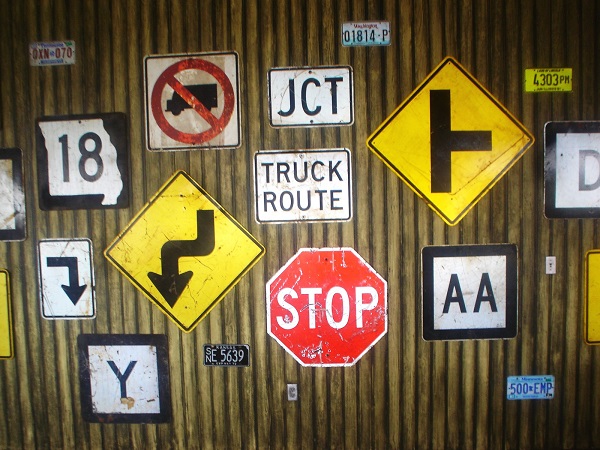
The Life Cycle of a Traffic Sign
There’s a lot more to traffic signs than most people realize. Choosing the right materials and working with trusted manufacturers like Parking Signs.com helps ensure those signs do their job for years to come.
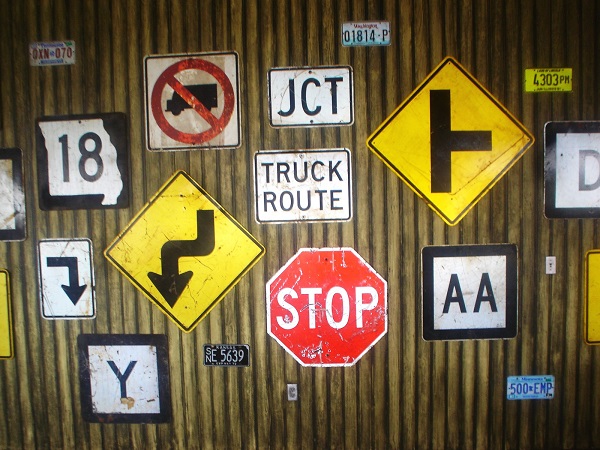
Traffic signs are something we rely on every day, but rarely think about. They’re always there—pointing us in the right direction, reminding us to slow down, or letting us know where we can park. But each of those signs has a story, and it starts long before it's bolted into the ground.
Every traffic sign begins with a need. Maybe there’s a new road going in, a construction zone popping up, or an older sign that’s no longer doing its job. City planners, engineers, or property managers decide what kind of sign is needed and where it should go. This decision isn’t random—it’s based on traffic flow, safety guidelines, and strict standards, often pulled from the MUTCD, which helps ensure signs look and function the same nationwide.
Once the planning is done, the sign starts to come to life through design and materials. Aluminum is the go-to material because it’s lightweight, doesn’t rust, and holds up well outdoors. To make the sign visible day and night, a reflective sheeting is applied—something that bounces back light from headlights so drivers can see it clearly even in the dark.
The actual production process is a mix of precision and durability. The aluminum blanks are cut to the right shape, the reflective layer is added, and the graphics—letters, arrows, or symbols—are printed or applied with high-performance vinyl. A clear topcoat may be added to protect against sun fading, weather, and graffiti.
After the sign is manufactured, it’s installed by professionals who make sure it’s mounted securely and placed where it will be most effective. Proper installation matters as much as the sign itself—it has to be at the right height, angle, and distance from the road to do its job safely.
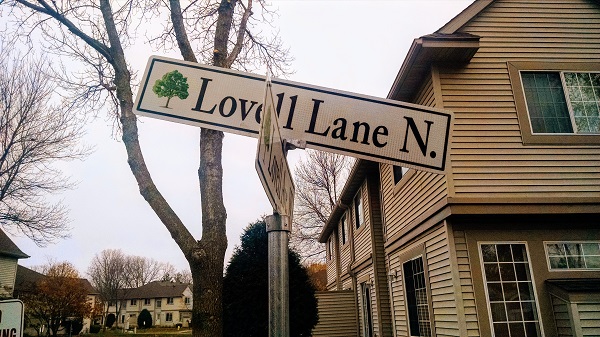
From there, the sign spends years out in the elements—snow, rain, sun, wind, even the occasional fender bender. Over time, signs can fade, lose reflectivity, or get damaged. That’s why routine inspections are important. Local crews or property managers check for wear and tear and decide whether a sign needs cleaning, repairing, or replacing.
Eventually, every sign reaches the end of its lifespan. On average, that’s somewhere between 7 and 12 years, depending on the materials and conditions. Once it’s no longer safe or effective, it’s removed. But it doesn’t necessarily go to waste—aluminum signs can often be recycled and turned into new ones, continuing the cycle all over again.
From design to retirement, the life of a traffic sign is all about safety, durability, and visibility. It’s a quiet but essential part of the infrastructure that keeps our roads organized and our communities running smoothly.
Categories
|
|
|
|
|
|
 |



Recent Posts
-
How Reflective Traffic Signs Improve Road Safety
 October 1, 2025
 -
School Zone Signs: Helping Keep Kids Safe Every Day
 August 6, 2025
 -
The Life Cycle of a Traffic Sign
June 11, 2025
-
The Importance of Traffic Sign Maintenance for Road Safety
 February 19, 2025
 -
Understanding the Different Reflectivity Options for Traffic Signs
 February 7, 2025