
Understanding the Different Reflectivity Options for Traffic Signs
February 07, 2025

Understanding the Different Reflectivity Options for Traffic Signs
Traffic signs play an essential role in maintaining safety and order on the roads. Among these, reflective traffic signs stand out for their visibility, particularly in low-light or adverse weather conditions. Designed to catch and reflect light, these signs help drivers make quick decisions even at night. In this blog post, we'll explore the types of reflective traffic signs, their features, and their importance.

What Makes a Traffic Sign Reflective
Reflective traffic signs are made with various types of retroreflective sheeting, each offering different levels of visibility and durability:
- Engineering Grade (EG): Ideal for low-speed and dimly lit areas, commonly used for non-essential signs like parking signs.
- High-Intensity Prismatic (HIP): Provides enhanced visibility and longevity, making it suitable for regulatory and warning signs. Road and highway signs must have at least HIP reflectivity.
- Diamond Grade: The highest level of reflectivity and durability, used for crucial signage such as stop signs and highway markers.
Types of Reflective Traffic Signs
Reflective signs are categorized based on their purpose and reflectivity levels. Here are a few examples of each of those categories and the signs in them.
1. Regulatory Signs: Convey rules and regulations that drivers must follow. Regulatory signs often use high-intensity prismatic materials to ensure visibility at all times.
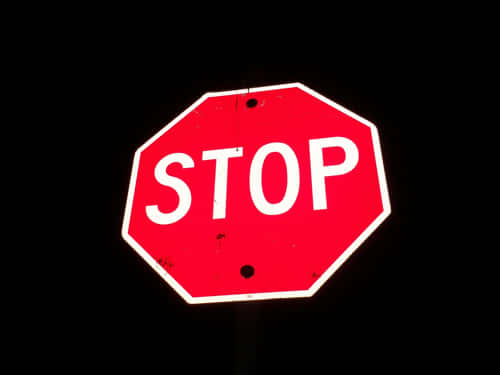
- Stop Signs (red with white text): Indicate where vehicles must come to a complete halt.
- Speed Limit Signs (white with black text): Notify drivers of the maximum permissible speed.
- No Parking Signs (white and red): Restrict parking in specific areas.
2. Warning Signs: Warning signs alert drivers to upcoming hazards/changes in road conditions. These signs typically use diamond-grade reflective sheeting for enhanced brightness.
- Curve Ahead Signs (yellow with black arrows): Warn of sharp turns.
- Pedestrian Crossing Signs (yellow with black text or symbols): Indicate areas where pedestrians frequently cross.
- Slippery Road Signs (yellow with skid marks symbol): Notify drivers of potentially slippery conditions.
3. Parking Lot Signs: Provide direction and instruction within a parking lot. These signs often use engineer-grade reflective materials, striking a balance between durability and cost-effectiveness.
- Exit/Entrance Signs: Mark the exits and entrances of your parking lot.
- Parking Signs: Handicap accessible, no parking signs, or reserved parking signs.
- Directional/Stop Signs: For helping direct or stop traffic in your parking lot.
4. Construction and Temporary Signs: Used in work zones or during events. Their bright orange color and high-intensity reflectivity make them stand out.
- Detour Signs (orange with black arrows): Direct traffic to alternate routes.
- Road Work Ahead Signs (orange with black text): Notify drivers of upcoming construction zones.
Choosing the Right Reflective Signs
For municipalities, businesses, or private property owners, selecting the appropriate reflective material is vital. Consider:
- Durability: High-traffic areas benefit from diamond-grade materials due to their longevity.
- Budget: Engineer-grade signs are cost-effective for low-traffic zones.
- Purpose: Temporary signs often use materials optimized for short-term visibility.
In conclusion, reflective traffic signs are vital for maintaining road safety and ensuring that critical information reaches drivers in all conditions. From regulatory and warning signs to guide and construction signs, these tools save lives by providing clear and visible guidance. Whether you're a driver, city planner, or property owner, understanding these signs and their features can help you contribute to safer roads. For more information about the regulations on reflective traffic signs visit (LINK)
Categories
|
|
|
|
|
|
 |



Recent Posts
-
How Reflective Traffic Signs Improve Road Safety
 October 1, 2025
 -
School Zone Signs: Helping Keep Kids Safe Every Day
 August 6, 2025
 -
The Life Cycle of a Traffic Sign
 June 11, 2025
 -
The Importance of Traffic Sign Maintenance for Road Safety
 February 19, 2025
 -
Understanding the Different Reflectivity Options for Traffic Signs
February 7, 2025